
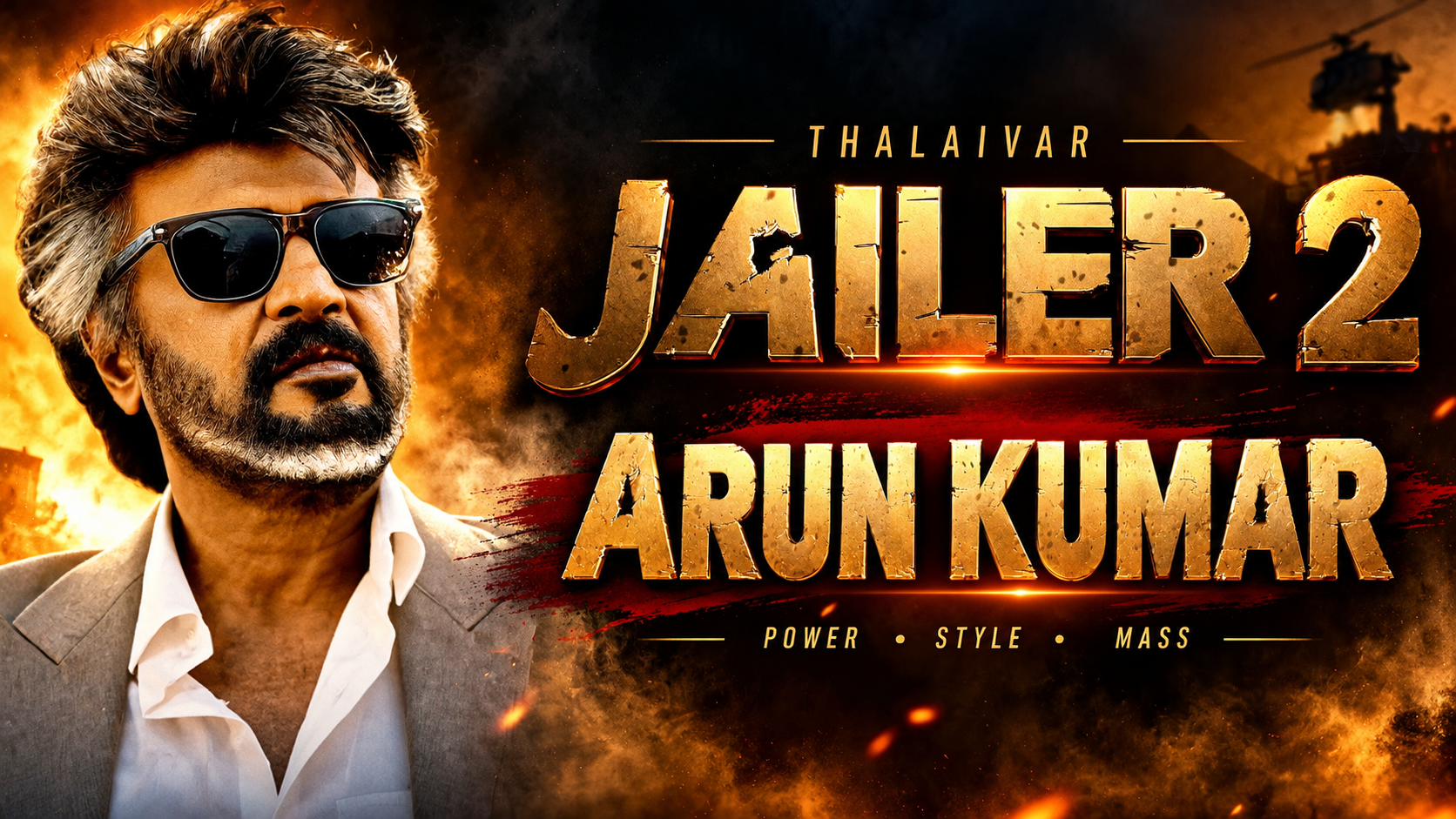
Movie title cards have become a popular trend among cinema fans, especially fans of Tamil movies. Stylish typography, dark backgrounds, glowing text, smoke effects, cinematic lighting, and powerful visual designs can make a simple name look like a movie title. The popularity of the Jailer movie has inspired many fans to create their own fan-made title cards using mobile editing applications. With Jailer 2 Title Card Editing With Your Name, you can create a personalized design inspired by the powerful style of Tamil cinema. You do not need an expensive computer or professional editing experience to get started. A smartphone, a suitable editing application, and a little creativity are enough to make an impressive result.
Thank you for reading this post, don't forget to subscribe!What Is Jailer 2 Title Card Editing?
Jailer 2 title card editing is the process of creating a cinematic text design inspired by the visual atmosphere associated with the Jailer movie franchise. A title card usually contains bold lettering, dramatic lighting, a dark background, and carefully arranged visual effects. When you personalize the design, you can replace the sample text with your own name, nickname, or preferred title. For example, you might create a design featuring your name in large metallic letters with a smoky background and a red or golden glow.
Why Is Custom Name Title Card Editing Popular?
Personalized movie-style title cards allow fans to express their creativity and share their interest in cinema. Many people enjoy seeing their names presented in a powerful, dramatic style rather than using ordinary text. A cinematic design can make a name look more memorable and visually attractive. Social media platforms have also helped popularize short movie edits, fan posters, and personalized graphics. Creators often use these designs in birthday edits, fan pages, reels, status videos, and gaming profiles. Another reason for their popularity is accessibility.
Best Mobile Apps for Jailer 2 Title Card Editing
Choosing the right application is an important first step. Different apps offer different tools, so select one that matches your editing experience and the design you want to create.
1. Picsart: Picsart is useful for combining images, adding text, removing backgrounds, and applying creative effects. You can import a dark cinematic background, add your name, adjust the text color, and use shadows or glow effects where available. Some features may require a paid subscription.
2. PixelLab: PixelLab is popular for text-based poster designs. It offers tools for adjusting fonts, colors, outlines, shadows, and text positioning. It can be a convenient option when your main goal is to create a personalized title card.
3. Canva: Canva provides templates, typography options, and graphic design tools. It is suitable for users who want a clean layout and an easy editing process. Some design elements and premium features may require payment.
4. CapCut: CapCut can be useful if you want to animate your title card or turn it into a short video. Depending on availability in your region and the version you use, it may offer text animation, transitions, overlays, and visual effects.
Before installing any application, check its availability in your region and download it from an official app store or trusted developer website. Avoid modified APK files that promise unlocked premium features because they may contain security risks.

How to Create a Jailer 2-Inspired Title Card With Your Name
Creating a personalized title card becomes easier when you follow a clear editing process. The following steps are suitable for beginners using a mobile phone.
Step 1: Choose a Cinematic Background
Start by selecting a background that matches the mood of your design. A dark black background, smoky environment, industrial wall, dramatic red lighting, or golden cinematic atmosphere can work well. You can create your own background in an editing app or use a properly licensed image. Make sure the background does not contain too many distracting objects. The main purpose of the background is to highlight your name. If you use an image from the internet, check its usage rights before publishing or distributing the finished design.
Step 2: Open Your Editing Application
Open your preferred editing app and create a new project. Select a suitable canvas size based on where you plan to publish the design. A square canvas works well for many profile graphics, while a horizontal 16:9 canvas is useful for YouTube thumbnails and video title screens. A vertical 9:16 canvas is suitable for status videos and reels. Selecting the correct dimensions at the beginning can prevent unwanted cropping later.
Step 3: Add Your Custom Name
Use the text tool to enter your name, nickname, or preferred words. Keep the text short if you want a bold cinematic appearance. Long names may need a smaller font or multiple lines. Place the text near the center of the canvas and leave enough space around it. Check the spelling carefully before continuing. A simple layout with one prominent name often looks more professional than a design containing too many words.
Step 4: Select a Stylish Font
Font selection has a major effect on the final result. Bold, condensed, metallic-looking, or block-style fonts can create a dramatic movie-inspired appearance. If your application supports font imports, use fonts that are legally available for your intended use. Avoid decorative fonts that make the name difficult to read. You can experiment with uppercase letters, increased letter spacing, or a subtle italic style. For Tamil names, choose a font that supports Tamil characters correctly and check that every letter renders properly.
Step 5: Apply Cinematic Text Effects
After selecting the font, customize its appearance. You can use a metallic silver finish, warm gold color, deep red accents, or a white text treatment with a dark outline. Add a subtle shadow to separate the letters from the background. A soft outer glow may create a dramatic atmosphere, but excessive glow can reduce readability. If your application offers a 3D text effect, use it carefully to create depth. Keep the effects consistent across the entire design instead of applying many unrelated styles.
Step 6: Add Smoke, Light, and Texture Effects
Smoke overlays, dust particles, light streaks, and subtle grain can make a title card look more cinematic. Place these effects behind or around the text so that they do not hide the letters. Red lighting can create an intense atmosphere, while gold lighting can give the design a premium appearance. Adjust transparency and brightness to balance the image. If you use multiple overlays, make sure the name remains the main visual element. Good editing is not about adding every available effect; it is about using a few effects effectively.
Step 7: Adjust the Layout and Colors
Review the overall composition before exporting the image. Ensure the name is large enough to read on a mobile screen. Keep important text away from the edges, especially when the design will be cropped for social media. Choose a limited color palette, such as black and gold, black and red, or silver and dark blue. Consistent colors help the design look polished. If you include a subtitle or tagline, make it smaller than the main name so the visual hierarchy remains clear.
Step 8: Save and Export the Final Design
When you finish editing, preview the design at full size. Check the spelling, alignment, contrast, and overall image quality. Export the design in PNG format when you want a high-quality graphic, or use JPEG when a smaller file is more convenient. For animated title cards, export a video using the settings supported by your application. Choose an appropriate resolution for your intended platform and keep a copy of the editable project if the app allows it.
How to Make Your Title Card Look Professional
Professional-looking designs usually depend on balance, readability, and attention to detail. First, make your name the most important element. Avoid placing several large text elements in the same area. Second, use a clear contrast between the letters and the background. White or metallic text may stand out against a dark background, while dark lettering may work better on a bright background. Third, avoid using too many fonts. One bold font and one simple supporting font are often enough. Fourth, use lighting and shadows to create depth without making the design look cluttered. Finally, preview the image on a smaller screen before publishing it. Text that looks attractive on a large editing canvas may become difficult to read on a phone.
Free AI Tools for Personalized Movie-Style Title Cards
AI design tools can help users explore different background ideas and visual styles. Depending on the tool, you may be able to generate a cinematic background, remove unwanted objects, improve image quality, or create a concept image based on a written prompt. For example, you could describe a dark cinematic background with dramatic red lighting, floating smoke, metallic textures, and an empty central space for custom text. After generating the background, import it into a regular editing app and add your name manually. This approach can be more reliable than asking an image generator to render exact lettering, because AI-generated text may contain spelling errors or distorted characters. Always review the tool’s terms, privacy settings, and commercial-use permissions before publishing the final design.
Example Design Idea for Your Name
Imagine a dark background with subtle smoke drifting across the screen. Your name appears in large silver letters at the center, with a narrow red light shining behind the text. Small particles add texture, while a soft shadow creates depth. A short subtitle appears underneath in a simple font. The background remains darker around the lettering, making the name easy to read. This design can work as a fan-made movie title card, a social media post, or a short video intro. You can adapt the colors, font, and layout to suit your personal taste without copying official artwork exactly.
Common Mistakes to Avoid
Beginners often make a few simple mistakes while editing title cards. Using too many effects can make the image look messy. Choosing a thin font may make the name difficult to read against a detailed background. Low-resolution images can appear blurry when enlarged. Excessive sharpening or glow can also reduce image quality. Another common mistake is ignoring the platform’s dimensions, which can cause important text to be cropped. To avoid these problems, keep the design simple, use good-quality assets, preview the result, and export it at an appropriate resolution. Do not download suspicious editing apps or share personal information with websites that request unnecessary permissions.
Copyright and Safe Sharing Tips
A fan-made Jailer 2-inspired title card should not be presented as an official movie poster or an officially endorsed design unless you have permission. Movie names, logos, photographs, artwork, and other promotional assets may be protected by copyright or trademark rules. If you publish your work online, make it clear that it is an unofficial fan creation. Use original backgrounds, licensed assets, and fonts that permit your intended use. Avoid using a celebrity’s image or official movie artwork in a way that falsely suggests endorsement. If you plan to use the design commercially, review the relevant permissions and licensing requirements first.
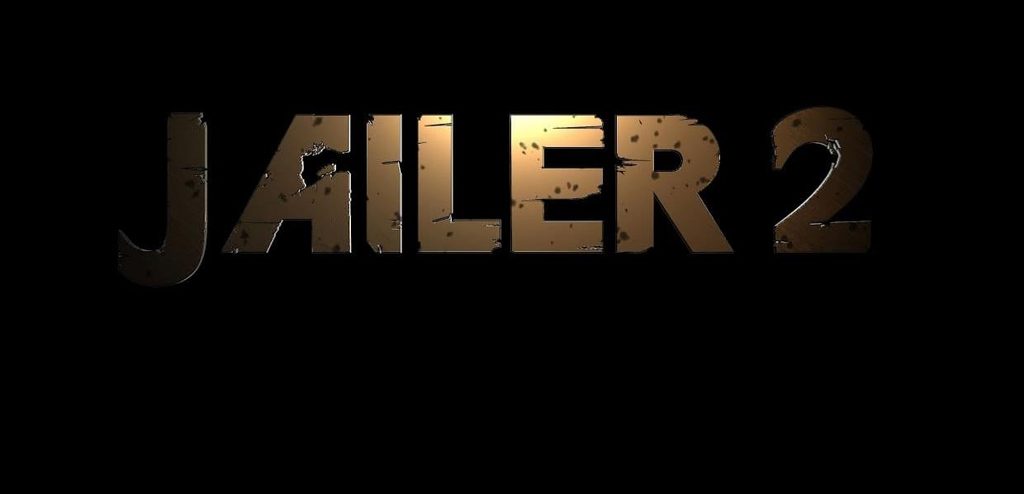

Prompt
Create a cinematic 3D metallic title text reading “JAILER 2”, inspired by the reference image. Use an extra-bold, block-style industrial font with realistic bronze and antique-gold metallic textures. Add scratches, dents, chipped edges, dark grunge marks, and weathered steel details across the letters. Use dramatic golden highlights on the upper surfaces, transitioning into deep brown and black shadows toward the bottom. Keep the text centered horizontally against a pure black background, with subtle cinematic lighting, realistic metal reflections, deep 3D extrusion, and a rugged action-movie title aesthetic.
Composition: 16:9 widescreen, large centered typography, minimal design, high contrast, no additional text, no watermark, no extra graphics. Preserve the original reference’s font style, metallic texture, lighting, and overall appearance.
Frequently Asked Questions
Can I create a Jailer 2 title card with my name for free?
Yes. You can create a basic fan-made title card using free mobile editing tools. Some applications provide optional paid features, so check the available tools before starting.
Which mobile app is best for name editing?
PixelLab is a useful option for text-focused designs, while Picsart and Canva offer additional graphic design features. The best choice depends on your preferred workflow and the effects you want.
Can I create the title card without a computer?
Yes. A smartphone is enough for most basic title card editing tasks. You can add text, change colors, apply shadows, and export the finished design directly from your phone.
Can I make an animated title card?
Yes. A video editing application with text animation and transition tools can help you turn a static design into a short intro. Feature availability may vary by app and region.
Can I use the design on Instagram and WhatsApp?
You can share your original fan-made design on social media, provided you follow each platform’s rules and respect the copyright and licensing terms of any assets you use.
Conclusion
Jailer 2 Title Card Editing With Your Name – Free Mobile Tutorial is a creative project for fans who want to combine personalized text with a dramatic Tamil cinema-inspired design. By choosing a suitable background, selecting a bold font, applying balanced lighting effects, and exporting the image at the right resolution, you can create an attractive title card using a mobile phone. Free editing tools make the process accessible to beginners, while AI-assisted backgrounds can provide additional creative options. The most important elements are readable text, consistent colors, and a clean composition. Start with a simple design, experiment with different effects, and develop your own visual style. Keep your creation clearly identified as fan-made, use assets responsibly, and share your finished title card with friends or on your favorite social media platform.